Electrical Muscle Stimulation: How Does It Work and How to Choose the Right EMS System?
Fitness technology has evolved dramatically over the past decade. Today, people expect workouts to be smarter, more efficient, and tailored to their individual goals. This growing demand has brought Electrical Muscle Stimulation (EMS) into the spotlight.
Once used primarily in rehabilitation clinics and professional sports, EMS is now widely adopted by fitness studios, personal trainers, wellness centers, and even boutique gyms. Its ability to activate multiple muscle groups simultaneously makes it an attractive solution for clients seeking effective training within limited time.
However, many people still ask the same questions:
- How does Electrical Muscle Stimulation actually work?
- Is EMS training suitable for everyone?
- What equipment is required for professional EMS training?
- How do businesses choose the right EMS system?
In this guide, we’ll answer these questions while exploring the science behind EMS, its commercial applications, and the key factors to consider when investing in professional EMS equipment.
What Is Electrical Muscle Stimulation?
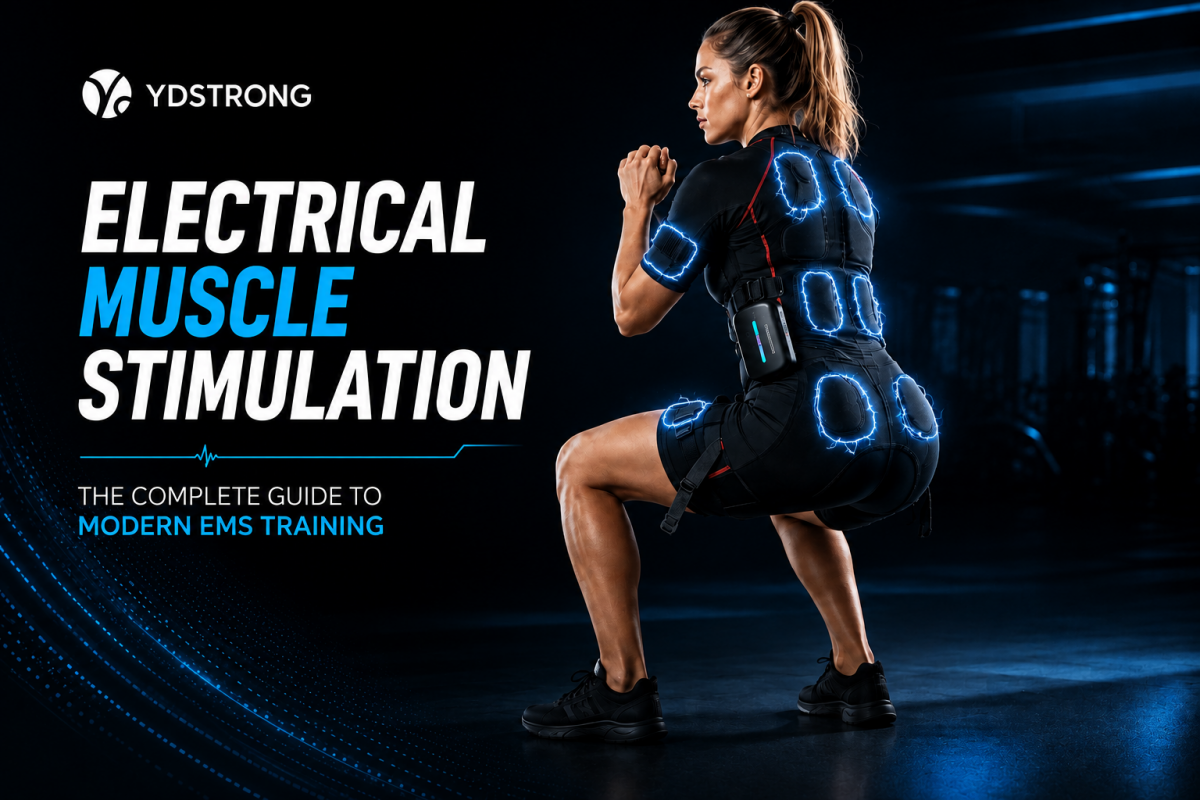
Electrical Muscle Stimulation (EMS) is a training technology that uses low-frequency electrical impulses to stimulate muscle contractions. These impulses mimic the signals naturally sent from the brain to muscles during physical activity.
Instead of relying solely on voluntary muscle contraction, EMS activates muscles through controlled electrical stimulation delivered by electrodes integrated into an EMS suit.
During a typical session, multiple muscle groups—including the chest, back, abdomen, arms, glutes, and legs—can be stimulated simultaneously.
This allows users to perform functional exercises while receiving additional muscle activation, making workouts both efficient and highly customizable.
How Does Electrical Muscle Stimulation Work?
The principle behind EMS is straightforward.
When electrical impulses reach the motor nerves, muscles contract in a controlled manner. Combined with traditional exercises such as squats, lunges, or core movements, EMS can increase muscle engagement across multiple areas of the body.
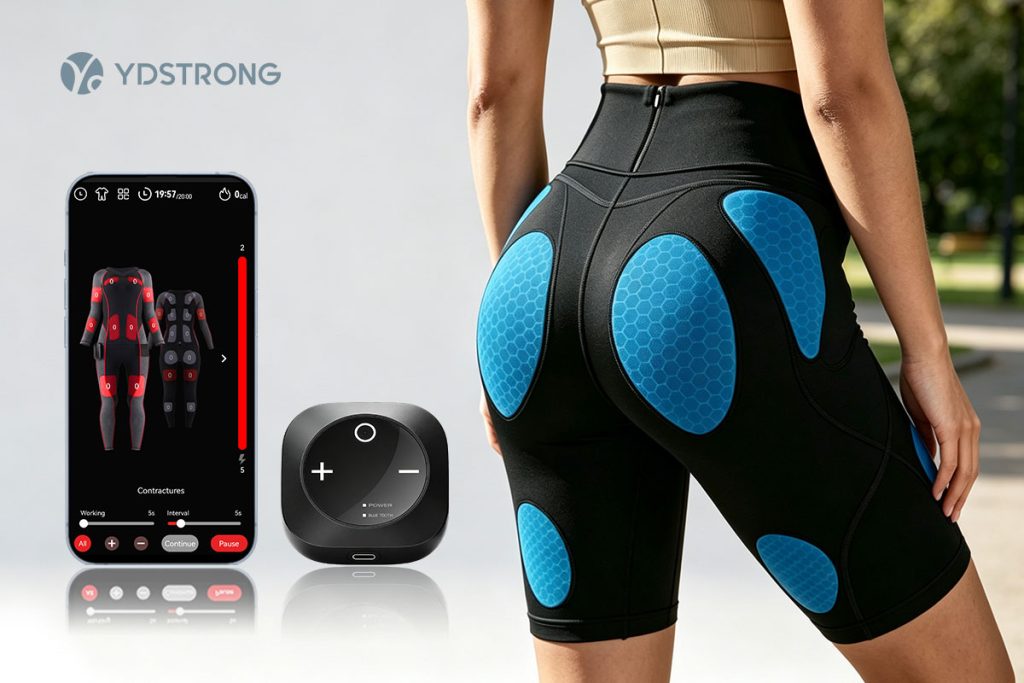
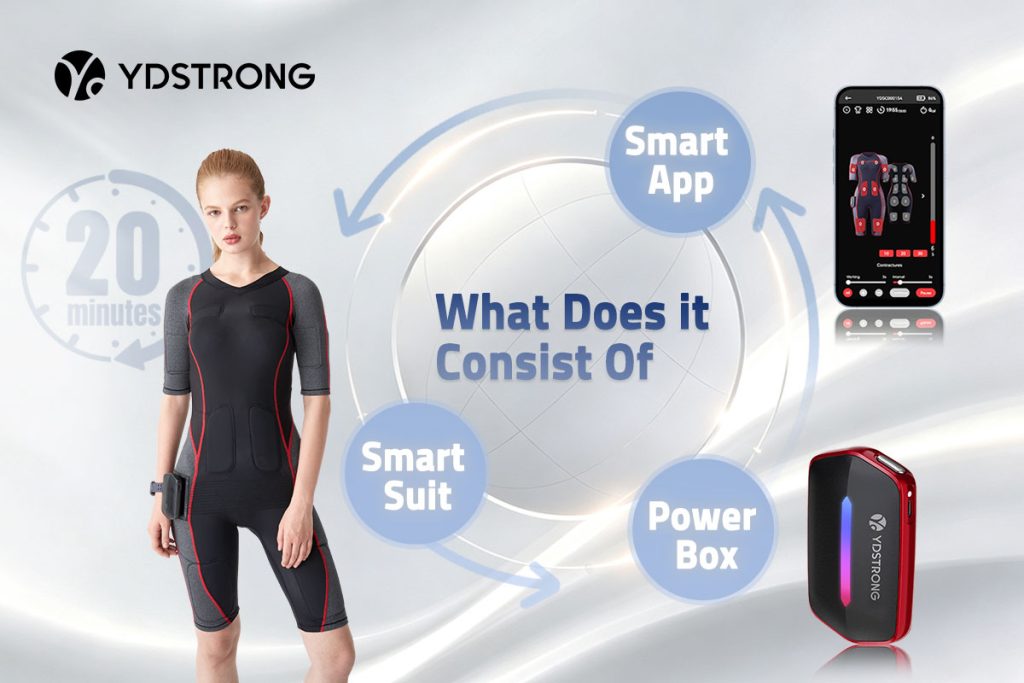
A complete commercial EMS system typically includes:
- A professional EMS suit
- An EMS control unit (Power Box)
- Electrodes positioned on major muscle groups
- Wireless or wired communication between the suit and controller
The control unit allows trainers to adjust:
- Pulse frequency
- Pulse width
- Intensity
- Training modes
- Individual muscle group output
This flexibility enables personalized training programs for users with different fitness goals.
Benefits of Electrical Muscle Stimulation Training
Efficient Full-Body Muscle Activation
Unlike traditional workouts that primarily focus on selected muscles, EMS activates multiple muscle groups simultaneously.
This makes sessions highly efficient, especially for busy professionals who have limited training time.
Personalized Training Experience
Every individual has unique fitness goals.
With adjustable stimulation parameters, trainers can tailor EMS programs for:
- Muscle strengthening
- Functional fitness
- Endurance development
- Athletic conditioning
- Recovery-focused sessions
Personalization improves both user satisfaction and training effectiveness.
Greater Flexibility for Fitness Professionals
Modern EMS systems allow trainers to modify stimulation intensity independently for different muscle groups.
This creates more precise workout plans compared with one-size-fits-all training approaches.
Consistent Training Performance
Commercial EMS equipment is designed to deliver stable electrical output throughout the session.
Consistent stimulation helps trainers maintain workout quality while providing clients with a comfortable and repeatable training experience.
Where Is Electrical Muscle Stimulation Used?
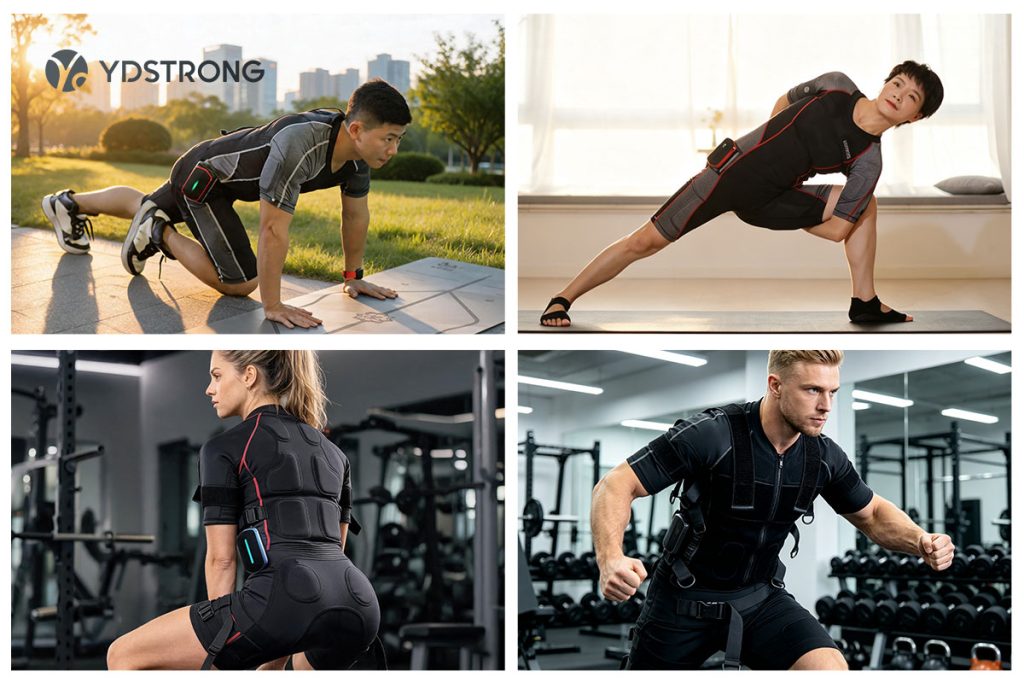
EMS technology is no longer limited to one industry. Today, it serves a wide variety of professional environments.
Fitness Studios
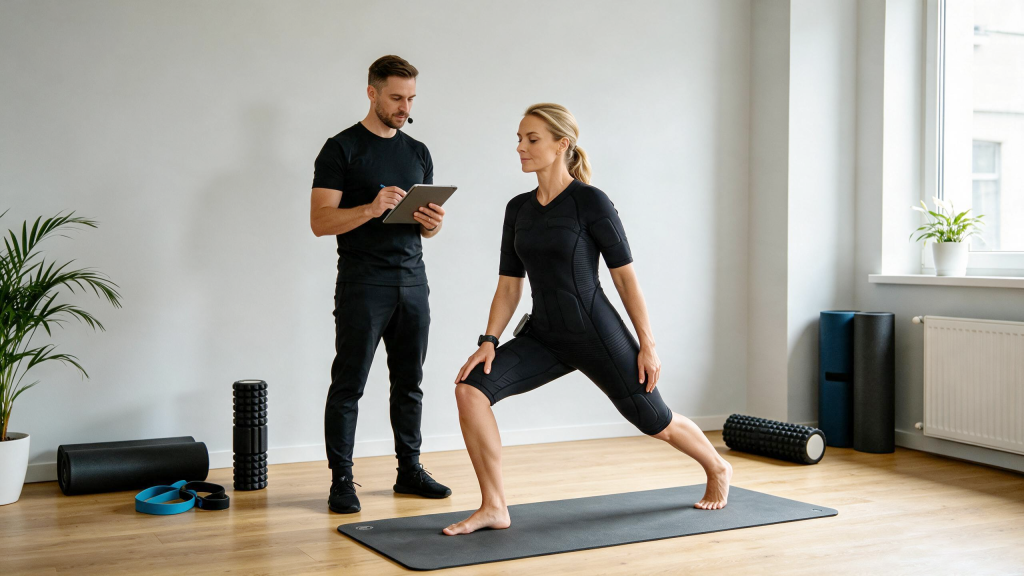
Boutique EMS studios use Electrical Muscle Stimulation to offer premium personal training experiences.
The combination of guided exercise and muscle stimulation provides an attractive option for clients seeking efficient workouts.
Personal Training
Many coaches incorporate EMS into customized strength and conditioning programs.
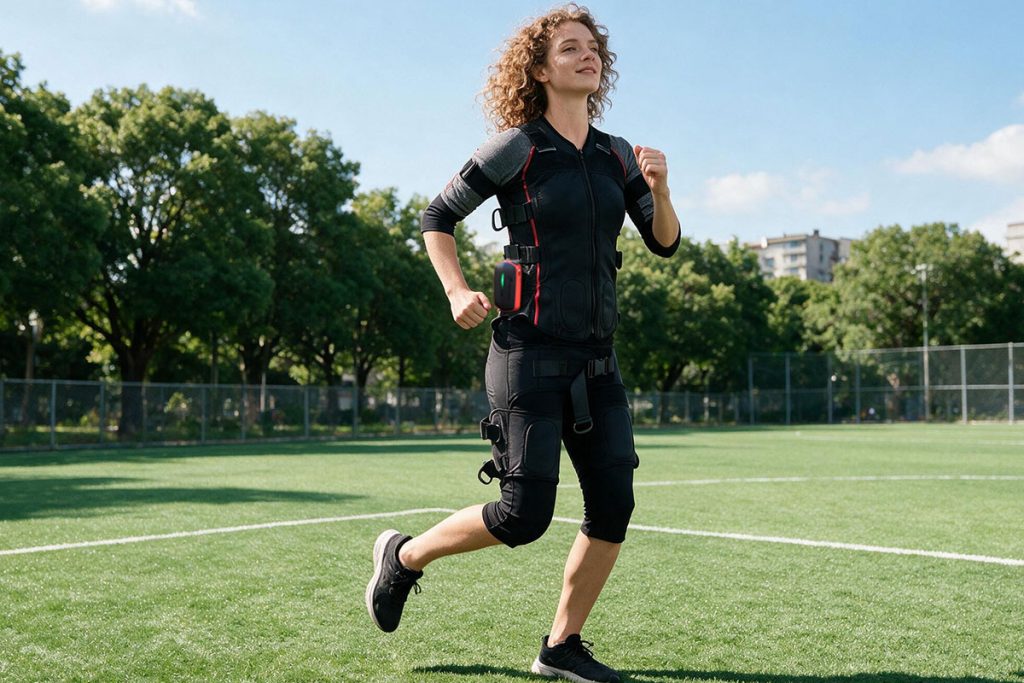
Wireless EMS systems also allow trainers to deliver sessions at different locations without complicated equipment setup.
Rehabilitation Centers
Under professional supervision, EMS technology may be incorporated into rehabilitation programs focused on muscle activation and functional recovery.
Applications should always follow appropriate medical guidance.
Sports Performance Training
Professional athletes often include EMS as part of comprehensive strength, conditioning, and recovery programs designed by qualified coaches.
What Makes a Professional EMS System Different?
Not all EMS equipment is built for commercial use.
Professional systems prioritize stability, precision, and long-term reliability.
Advanced EMS Power Box
The control unit is the heart of every EMS system.
A commercial-grade EMS Power Box typically offers:
- Independent multi-channel control
- Adjustable pulse frequency
- Adjustable pulse width
- Stable wireless communication
- Constant current output
- Flexible training modes
These features allow trainers to deliver highly personalized workouts.
High-Quality EMS Suit
The EMS suit should fit comfortably while maintaining consistent electrode contact throughout movement.
A well-designed suit provides:
- Comfortable compression
- Durable materials
- Reliable electrode positioning
- Easy maintenance
The combination of a quality suit and professional control unit creates a complete EMS training solution.
How to Choose the Right Electrical Muscle Stimulation Equipment
Choosing EMS equipment involves more than comparing prices.
Consider the following factors before making an investment.
1. Reliability
Commercial equipment must perform consistently during daily use.
Look for stable signal transmission, durable construction, and proven product quality.
2. Training Flexibility
Professional systems should allow trainers to customize:
- Intensity
- Pulse frequency
- Pulse width
- Independent muscle groups
Greater flexibility enables more personalized coaching.
3. Ease of Operation
Simple controls reduce trainer learning time and improve operational efficiency.
The best EMS systems allow quick program adjustments during training sessions without interrupting the workout.
4. Manufacturer Support
Choosing an experienced EMS manufacturer provides long-term benefits, including:
- Technical support
- Product training
- OEM & ODM services
- Spare parts availability
- Continuous product updates
Reliable support protects your investment over time.
Why Businesses Are Investing in Electrical Muscle Stimulation
The EMS industry continues to grow because businesses recognize its commercial value.
Professional EMS systems help studios:
- Differentiate their services
- Increase customer retention
- Improve training efficiency
- Expand premium coaching programs
- Build scalable EMS business models
For distributors and private-label brands, working with an experienced EMS manufacturer also provides access to reliable products and customization opportunities.
Why YDSTRONG Delivers Professional EMS Solutions
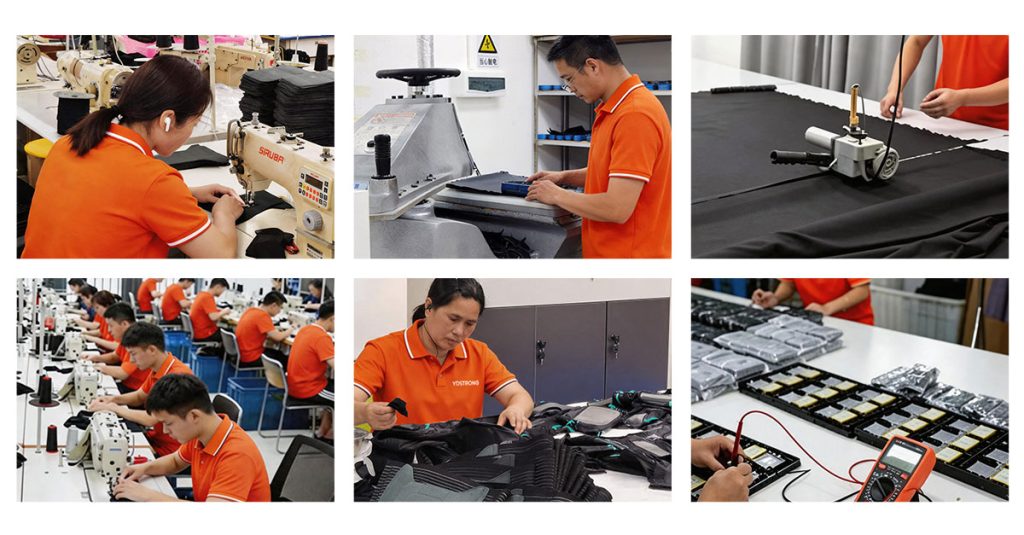
At YDSTRONG, we focus on developing complete EMS solutions for fitness studios, distributors, rehabilitation centers, and commercial partners worldwide.
Our professional EMS system combines:
- Professional EMS suits amd home EMS suit
- 10-channel EMS Power Box
- Wireless communication
- Constant current technology
- Adjustable pulse frequency (4–100 Hz)
- Adjustable pulse width (100–1000 μs)
- Left-right balance adjustment
- OEM & ODM manufacturing services
Rather than offering individual products, we help businesses build complete EMS training ecosystems that support long-term growth.
Conclusion
Electrical Muscle Stimulation has transformed from a specialized rehabilitation technology into a modern fitness solution used by commercial studios, trainers, and wellness professionals around the world.
When supported by high-quality equipment and professional coaching, EMS offers flexible, efficient, and highly customizable training experiences.
For businesses, choosing reliable EMS equipment is only part of the equation. Partnering with an experienced manufacturer ensures better product quality, stronger technical support, and long-term business success.
Whether you’re opening a new EMS studio, upgrading your existing equipment, or expanding your product portfolio, investing in professional EMS solutions today will help you stay competitive in tomorrow’s fitness market.
Contact the YDSTRONG team to discover how our complete EMS solutions can support your business goals.
FAQ
1. What is Electrical Muscle Stimulation?
Electrical Muscle Stimulation (EMS) is a technology that uses controlled electrical impulses to activate muscle contractions during exercise or rehabilitation training.
2. Is EMS training suitable for beginners?
Yes. Professional trainers can adjust intensity and training programs according to each user’s fitness level, making EMS suitable for beginners as well as experienced athletes.
3. What equipment is required for Electrical Muscle Stimulation training?
A complete EMS system typically includes an EMS suit, an EMS Power Box (control unit), electrodes, and software or control settings for managing training parameters.
4. What industries use EMS technology?
EMS is widely used in fitness studios, personal training businesses, sports performance facilities, rehabilitation centers, and wellness clinics.
5. How do I choose the right EMS equipment?
Focus on product reliability, adjustable training parameters, wireless stability, manufacturer experience, technical support, and compatibility between the EMS suit and control unit.